

INDIAN home minister Amit Shah on Monday (11) thundered in the parliament that "Pakistan-occupied Kashmir" or PoK belongs to India and nobody can snatch it.
The leader, who is the second most powerful in the ruling Bharatiya Janata Party (BJP) led by prime minister Narendra Modi, said this while discussing the Jammu and Kashmir Reservation (Amendment) Bill 2023 and the Jammu and Kashmir Reorganisation (Amendment) Bill 2023 in the Rajya Sabha or the Upper House of the parliament.
Shah, who is known for his strong image, also referred to the verdict delivered by the Supreme Court of India earlier in the day, upholding the abrogation of Article 370 of the Indian Constitution that gave special status to the erstwhile northern state of Jammu and Kashmir. The Modi government scrapped the provision in August 2019, triggering a massive backlash -- both from the opposition parties in India and the western neighbour of Pakistan that also claims Kashmir to be its own and allegedly occupies a part of the province illegally since 1947.
Read: Pakistan blasts India top court's verdict on Article 370 repeal: 'No legal value'
According to Shah, the top court's verdict was "a major defeat for the opposition parties".
"...The Supreme Court also agreed that it is not proper to challenge Governor's Rule and President's Rule announcements...When the temporary provision was made, the question arose as to how it would be removed if it was only temporary. So a provision was inserted within Article 373 stating that the President has the authority to amend Section 370, ban it, or remove it entirely from the Constitution..." Shah said in the parliament.
Read: India supreme court's verdict on Article 370 repeal: This is what Modi said
He also emphasized on the Modi government's commitment to ensuring justice for the displaced people in Kashmir and on the adverse consequences of Article 370 in Jammu and Kashmir, saying it led to the rise of separatism and terrorism.
He said during his speech on the two bills related to Jammu and Kashmir that the federal government of India reserved 24 seats in PoK since the region belonged to India.
"...Previously, there were 37 seats in Jammu; now, there are 43 seats following the new delimitation commission. There were 46 seats in Kashmir before, now there are 47, and 24 seats have been reserved in Pakistan-occupied Kashmir since we PoK is ours...," he said.
About the two bills
The Jammu and Kashmir Reservation (Amendment) Bill 2023, eyes amending the Jammu and Kashmir Reservation Act, 2004. It provides reservation in jobs and admission in professional institutions to members of Scheduled Castes, Scheduled Tribes, and other classes that are socially and educationally backward. The Bill also substitutes weak and under-privileged classes with other backward classes as declared by Jammu and Kashmir.
The Jammu and Kashmir Reorganisation (Amendment) Bill 2023, amends the Jammu and Kashmir Reorganisation Act, 2019. The latter act amended the Second Schedule of the 1950 Act to specify the total number of seats in the legislative assembly of Jammu and Kashmir to be 83. The proposed Bill increases the number of seats to 90 and also reserves seven seats for Scheduled Castes and nine seats for Scheduled Tribes.

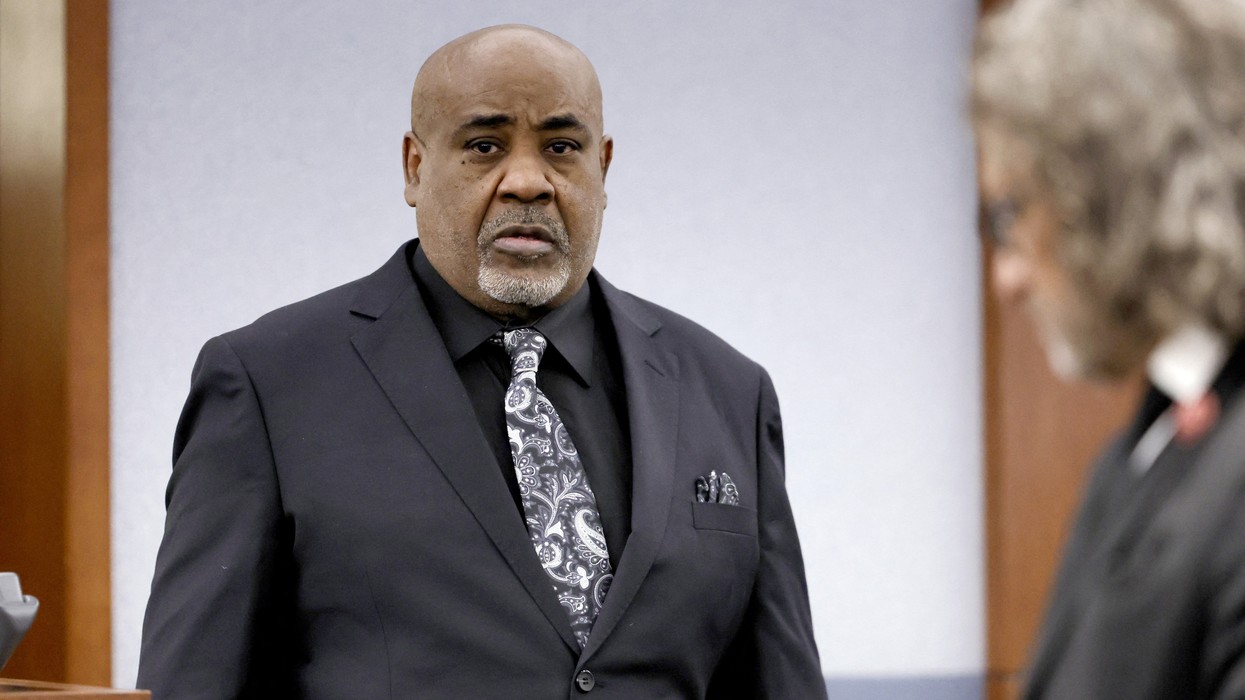
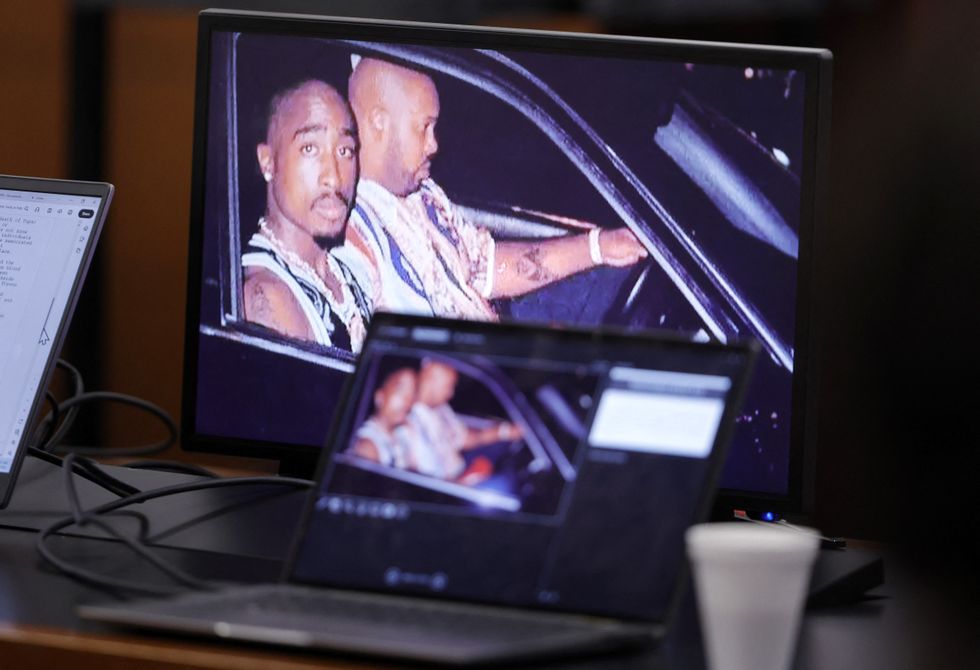 A 1996 photo of rapper Tupac Shakur (L) and Marion "Suge" Knight is shown on screens during closing arguments in the Duane Davis murder trial, related to the 1996 killing of rapper Tupac Shakur, at Clark County District Court at the Regional Justice Center in Las Vegas, Nevada, on August 31, 2026. Getty Images
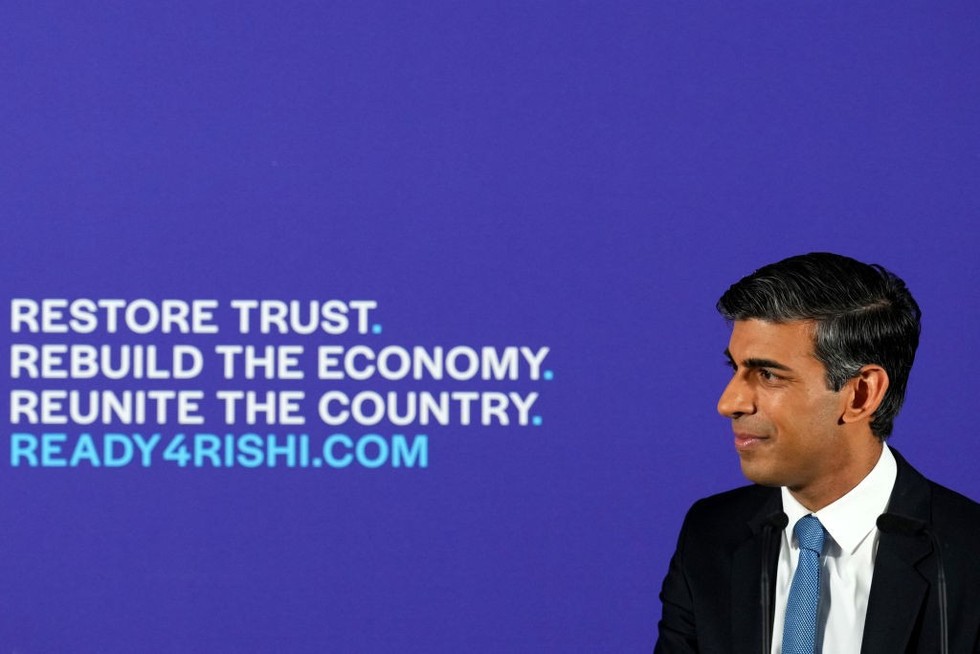
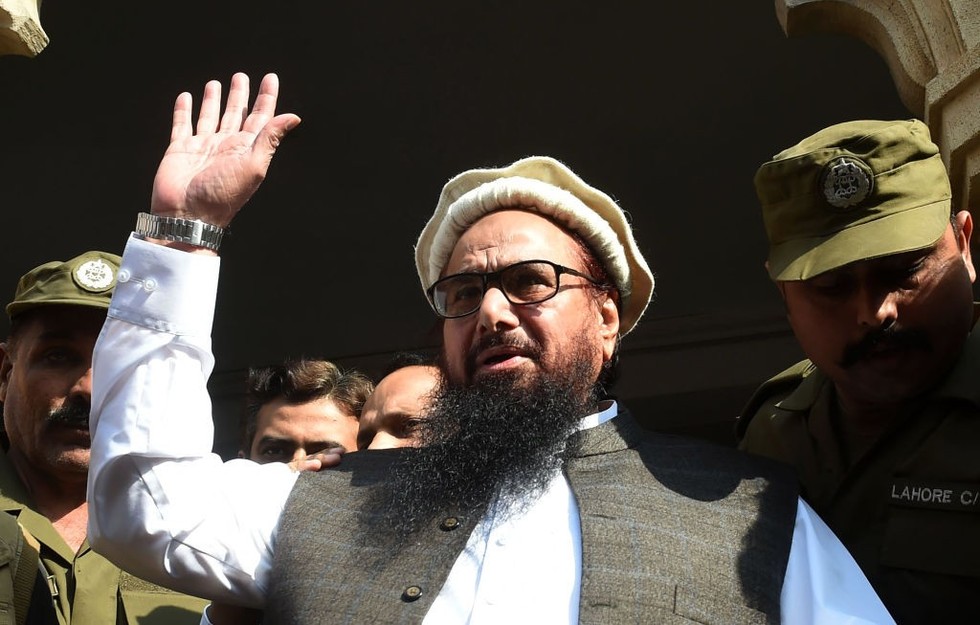


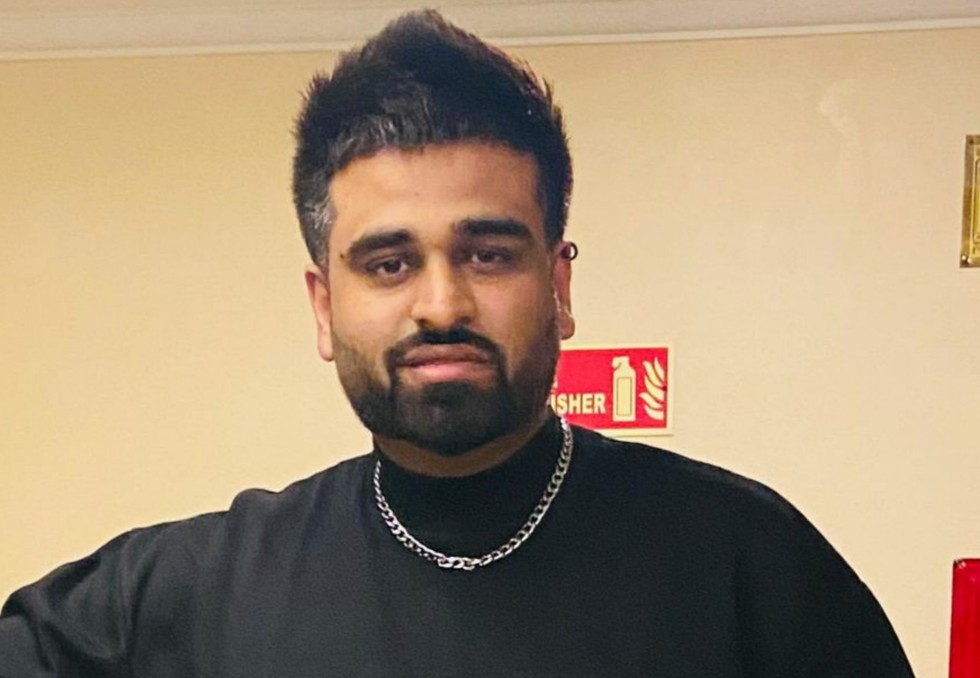
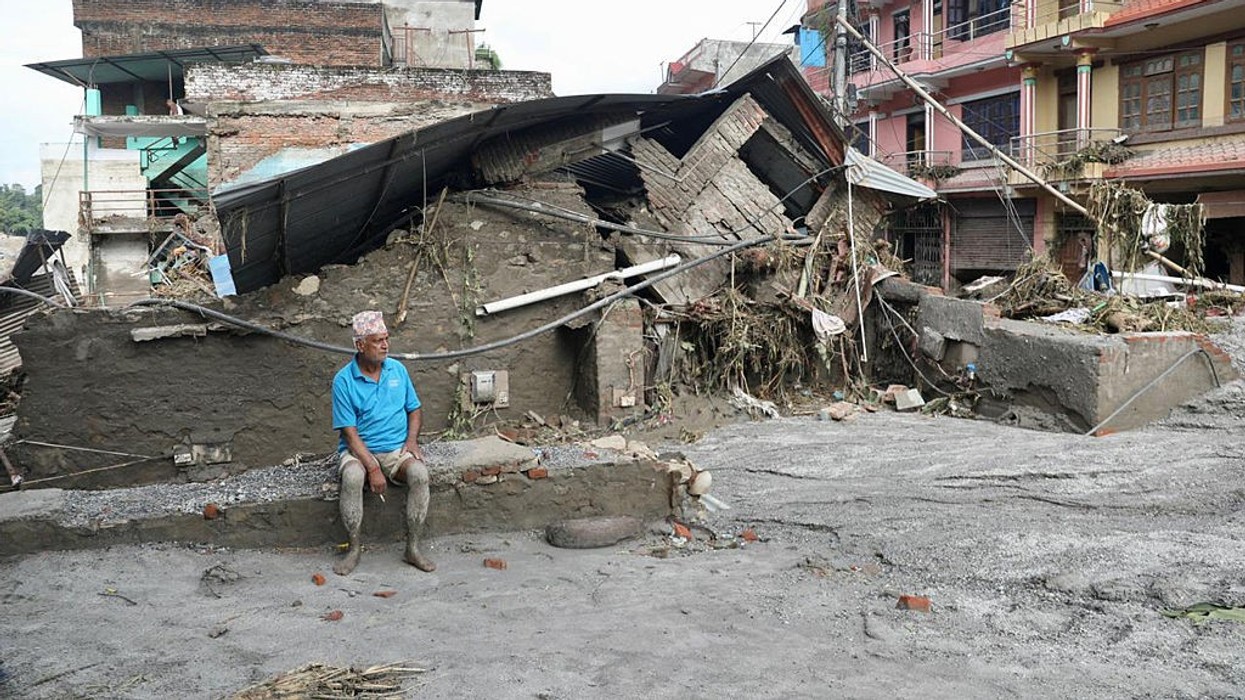
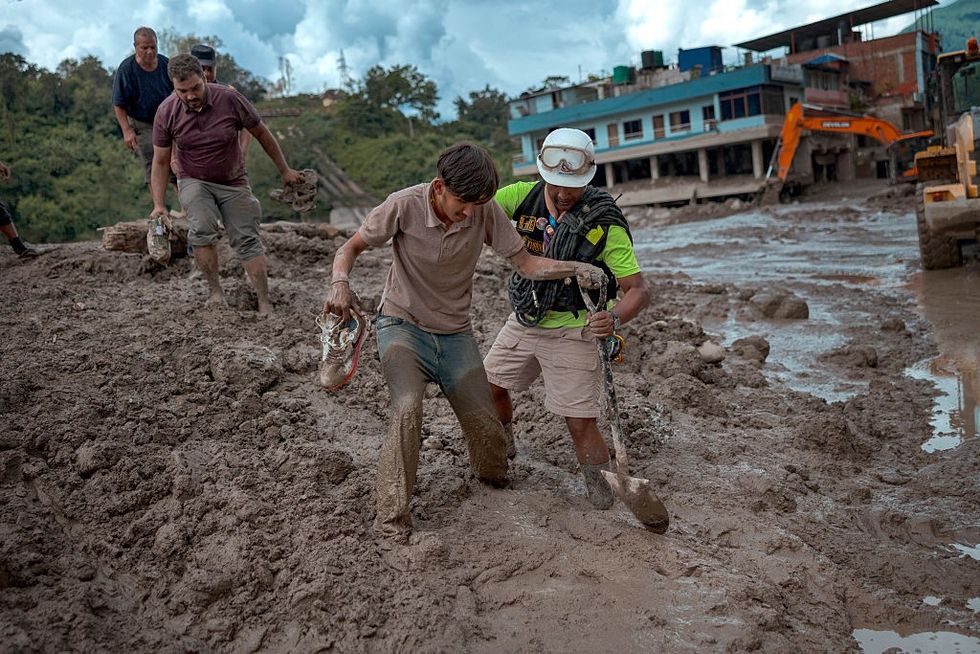 A rescuer assists a resident through heavy mud following flash floods on August 27, 2026 in Trishuli, Nepal. A sudden flood swept through the Bhote Koshi River basin in northern Rasuwa on August 26, damaging settlements, roads and energy infrastructure as rescue teams searched for residents and foreign travellers reported out of contact. Hundreds were reported missing, as the death toll started to climb.Getty Images
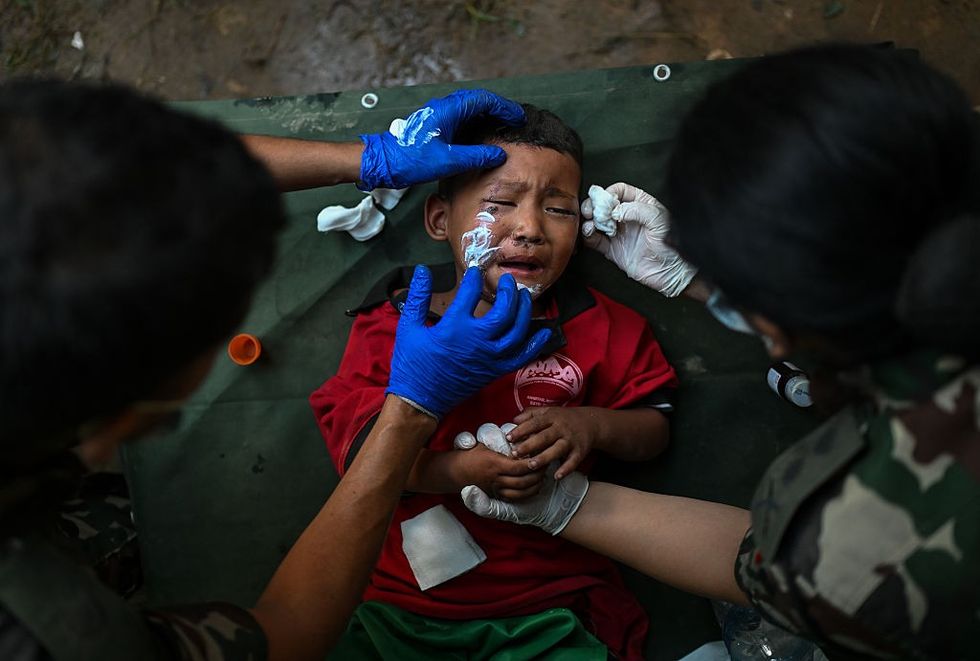 Rescue personnel provide medical treatment to a child at an army rescue camp in Trishuli Batar, Nepal, on August 27, 2026. A sudden flood swept through the Bhote Koshi River basin in northern Rasuwa on August 26, damaging settlements, roads and energy infrastructure, as rescue teams searched for residents and foreign travellers reported out of contact. Hundreds were reported missing as the death toll began to climb. Getty Ima
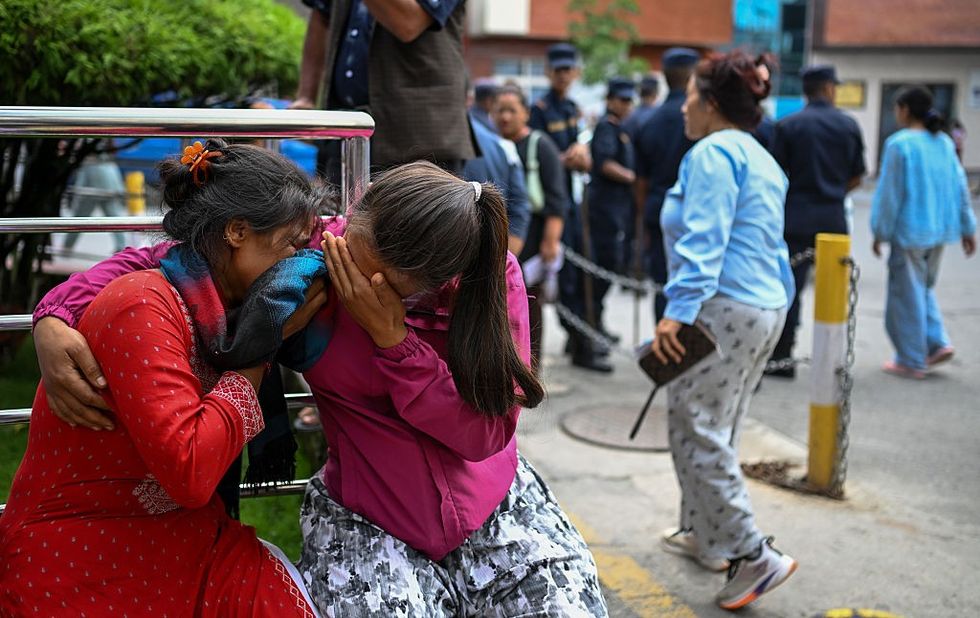 Family members of missing flood victims react at the emergency ward of the Maharajgunj Medical Campus, part of the Tribhuvan University Teaching Hospital, on August 28, 2026 in Kathmandu, Nepal. Authorities said the flash floods were triggered after a mass of ice, mud and rock collapsed into a Himalayan river near the Nepal-China border, leaving hundreds dead or missing and causing widespread damage in affected districts. Authorities continued the gruelling search for victims, many buried under metres of mud, as both China and Nepal issued fresh flooding alerts.Getty Images